

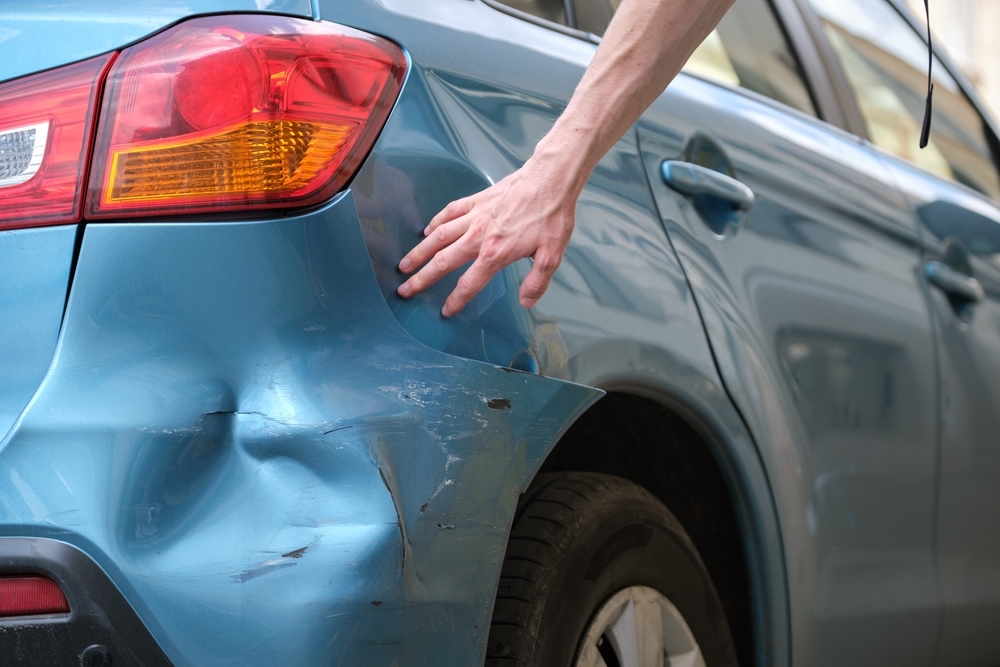
Are you shaking and overwhelmed after a sudden collision on I-95 or a busy street in Baltimore? The moments following a car accident are often the most critical for your health and your potential legal recovery. While your adrenaline is high, taking the right steps can protect your rights and ensure you have the evidence needed to hold negligent drivers accountable. If you are facing the aftermath of a crash, call Maronick Law LLC at 443-551-2747 or reach out through our online contact form to schedule a free, confidential consultation.
Step 1: Stay Safe After a Maryland Car Accident: What Should I Do Right Away?
The very first thing you must do after an impact is ensure that you and your passengers are safe from further harm. Maryland roads like the Baltimore Beltway or Route 50 can be extremely dangerous for stopped vehicles. If it is possible and safe to do so, move your car to the shoulder or a nearby parking lot to avoid secondary collisions.
Once the vehicle is stationary, turn off the engine and turn on your hazard lights. Check yourself and others for injuries. Even if you feel fine, remember that many injuries do not manifest symptoms until hours or days later. Staying calm and staying in your vehicle until you can assess the surroundings is the safest way to handle the immediate seconds after a crash.
It is vital to remain at the scene of the accident. Maryland law requires drivers involved in accidents resulting in injury or property damage to stop and remain at the location. Leaving the scene prematurely can lead to serious hit-and-run charges. Wait for emergency responders to arrive and follow their instructions carefully to ensure the area is secured.
Step 2: Call 911 After a Car Accident in Maryland: Do I Always Need Police and Paramedics?
Dialing 911 is a necessary step regardless of how minor the damage appears. When police officers arrive, they will create an official accident report. This document is a cornerstone of any future personal injury claim as it provides an objective third-party account of the incident. Be sure to note the officer’s name and badge number for your records.
When the police ask for your statement, stick to the facts of what occurred. Avoid speculating about fault or apologizing to the other driver. In Maryland, statements made at the scene can be used during insurance negotiations or court proceedings. Simply describe the direction you were traveling and the actions of the other vehicle without adding personal opinions or guesses.
Medical personnel should evaluate you at the scene even if you believe your injuries are minor. Paramedics are trained to spot signs of shock, internal bleeding, or concussions that you might overlook. Refusing medical attention at the scene can be used by insurance companies later to argue that your injuries were not caused by the accident. Always prioritize your physical well-being over any other concern.
Step 3: Exchange Information After a Car Accident in Maryland: What Details Do I Legally Need to Get?
While waiting for the police, you should exchange specific information with the other involved parties. You are required to share your name, address, and insurance details. You should also collect this information from the other driver to ensure your legal team can contact the correct entities during the claims process.
- Driver identification: The full name and contact information of the person behind the wheel
- Insurance coverage: The name of the insurance provider and the specific policy number
- Vehicle details: The make, model, year, and color of the car involved
- License plate: The registration number and the state where the plate was issued
- Witness contact: The names and phone numbers of anyone who saw the collision occur
After you have gathered these details, avoid discussing the specifics of the accident with the other driver. Do not argue about who caused the crash or mention your insurance limits. These conversations can become heated and may lead to statements that complicate your case. Keep interactions brief and professional while you wait for the authorities to finish their work.
Step 4: Document the Car Accident Scene in Maryland: What Evidence Should I Photograph?
If you are physically able, use your smartphone to take photos and videos of the car accident scene. Visual evidence is incredibly difficult to dispute and provides a clear picture of the conditions at the time of the crash. Take photos from multiple angles and distances to provide a comprehensive view of the environment.
Focus on the damage to all vehicles involved, including interior damage if airbags deployed. You should also photograph the surrounding area, looking for skid marks, broken glass, or damaged guardrails. These physical markers help accident reconstructionists determine the speed and trajectory of the vehicles leading up to the impact.
Documenting the environmental factors is equally important. Capture images of traffic signs, signals, and any obstructions that might have blocked a driver's view. If the weather was a factor, such as rain or fog, try to capture the visibility levels in your photos. These details build a factual narrative that supports your version of events during the recovery process.
Step 5: Seek Medical Treatment After a Car Accident in Maryland: Do I Need to See a Doctor Even If I Feel Fine?
Your visit to the emergency room or a primary care physician in the days following the motor vehicle accident is vital. Many common car accident injuries, such as whiplash or soft tissue damage, have a delayed onset. A doctor can provide a professional diagnosis and a treatment plan that serves as official documentation of your physical condition.
Follow all medical advice and attend every follow-up appointment. If a doctor prescribes physical therapy or specialist consultations, ensure you keep those records. Consistency in your treatment shows that you are taking your recovery seriously and provides a clear timeline of your healing process. Gaps in treatment can be used by insurance adjusters to minimize the value of your claim.
Keep a detailed journal of your physical symptoms and how they affect your daily life. Note any activities you can no longer perform, such as walking the dog at Patterson Park or commuting to work. This personal record helps demonstrate the pain and suffering aspect of your case, which is a significant component of a personal injury settlement in Maryland.
Similar Post: Navigating a Car Accident Claim in Maryland: How to Maximize Your Compensation
Step 6: Talk to Insurance Adjusters After a Crash: What Should I Be Careful About Saying in Maryland?
You will likely receive a phone call from the other driver’s insurance company shortly after the accident. It is important to remember that insurance adjusters work for the insurance company, not for you. Their goal is often to settle the claim for the lowest amount possible. You are not required to provide a recorded statement to the other driver's insurer immediately.
Be wary of early settlement offers. These offers are frequently lowball amounts that do not cover the full extent of your long-term medical needs or lost wages. Once you accept a settlement, you typically waive your right to pursue further compensation. It is wise to have a legal professional review any offer before you sign documents or agree to a payout.
When speaking with your own insurance company, provide only the basic facts. Tell them when and where the accident happened and who was involved. If they ask about your injuries, simply state that you are still receiving medical evaluation. Directing complicated questions to your attorney ensures that your rights remain protected throughout the administrative process.
Maryland Car Accident Hotspots: Where Do Most Crashes Happen and Why?
Car Accident Locations Served
- Baltimore Car Accident Lawyers
- Bel Air Car Accident Lawyers
- Catonsville Car Accident Lawyers
- Easton Car Accident Lawyers
- Glen Burnie Car Accident Lawyers
- Ocean City Car Accident Lawyers
- Queen Anne's County Car Accident Lawyers
- Rockville Car Accident Lawyers
- St. Mary's County Car Accident Lawyers
- Towson Car Accident Lawyers
- Westminster Car Accident Lawyers
- Wicomico County Car Accident Lawyers
Maryland features a diverse landscape that presents unique challenges for drivers. From the urban density of Baltimore City to the winding rural roads in Harford County, each area has specific risks. Drivers passing the Inner Harbor or navigating the interchanges near Towson Town Center often deal with heavy congestion and frequent stop-and-go traffic that leads to rear-end collisions.
In more suburban areas, such as near the Bel Air High School or the many parks in Glen Burnie, pedestrian traffic adds another layer of complexity. Local landmarks like the Maryland State House in Annapolis or the various stadiums in the Camden Yards complex draw massive crowds, increasing the likelihood of accidents involving out-of-town drivers who are unfamiliar with the lane patterns.
Our firm understands the nuances of these local areas. Whether your accident occurred near the Ripken Stadium in Aberdeen or on the busy stretches of Pulaski Highway, we know the local traffic patterns and the specific courts that handle these cases. This local knowledge allows us to provide a more tailored approach to your legal representation.
Similar Post: Glen Burnie Crash Hotspots and Legal Tips After a Wreck
Frequently Asked Questions About Maryland Car Accidents
How long do I have to file a claim in Maryland?
In the State of Maryland, the statute of limitations for most personal injury claims resulting from a car accident is three years from the date of the incident. If you do not file a lawsuit within this window, the court will likely dismiss your case. It is important to consult with a lawyer early to ensure all evidence is preserved and deadlines are tracked.
What if the other driver does not have insurance?
If you are hit by an uninsured or underinsured driver, you may be able to seek compensation through your own insurance policy’s Uninsured Motorist (UM) coverage. Maryland law requires drivers to carry a minimum amount of UM coverage. This process can still be complicated, as your own insurance company may try to limit your payout, making legal guidance helpful.
Should I go to the doctor if I do not feel hurt?
Yes, you should always seek a medical evaluation after a car accident. Adrenaline can mask the pain of serious injuries like internal organ damage or spinal issues. Establishing a medical record immediately after the crash creates a direct link between the accident and your physical condition, which is essential for any future legal action.
Will my case go to trial?
Most car accident cases are settled through negotiations with insurance companies before a trial becomes necessary. However, if the insurance company refuses to offer a settlement that covers your full damages, a trial may be the best option to seek justice. Your legal team will prepare your case as if it is going to trial to maintain the strongest possible negotiating position.
What does it cost to hire a car accident lawyer?
Most personal injury attorneys work on a contingency fee basis. This means that you do not pay any upfront legal fees. Instead, the firm receives a percentage of the final settlement or court award. If you do not recover any compensation, you typically do not owe attorney fees, allowing you to pursue your case without financial risk.
Injured in a Maryland Crash?: How Maronick Law LLC Fights for Full Compensation

If you were injured in a Maryland car accident, you are likely facing medical bills, lost income, and constant pressure from insurance adjusters. Meanwhile, under Maryland’s strict contributory negligence rules, even a small mistake could impact your ability to recover compensation. That is why taking action quickly matters.
Maronick Law LLC represents individuals and families across Maryland who have suffered injuries due to negligent drivers. Our team conducts a thorough investigation, secures critical evidence, works with medical professionals to understand the full extent of your injuries, and aggressively negotiates with insurance companies that attempt to minimize claims. When insurers refuse to offer fair compensation, we are prepared to take the case to court.
You should not have to manage insurance tactics while trying to heal. Let Maronick Law LLC handle the legal strategy so you can focus on your recovery. We represent clients throughout Maryland, including Towson, Catonsville, Chesapeake Beach, Baltimore, and Sykesville.
Call 443-551-2747 today to schedule a free consultation, or contact Maronick Law LLC through our online form to discuss your Maryland car accident case. The sooner you act, the stronger your position will be to pursue full compensation for your injuries, lost wages, and long-term needs.
Disclaimer: This blog is intended for informational purposes only and does not establish an attorney-client relationship. It should not be considered as legal advice. For personalized legal assistance, please consult our team directly.