

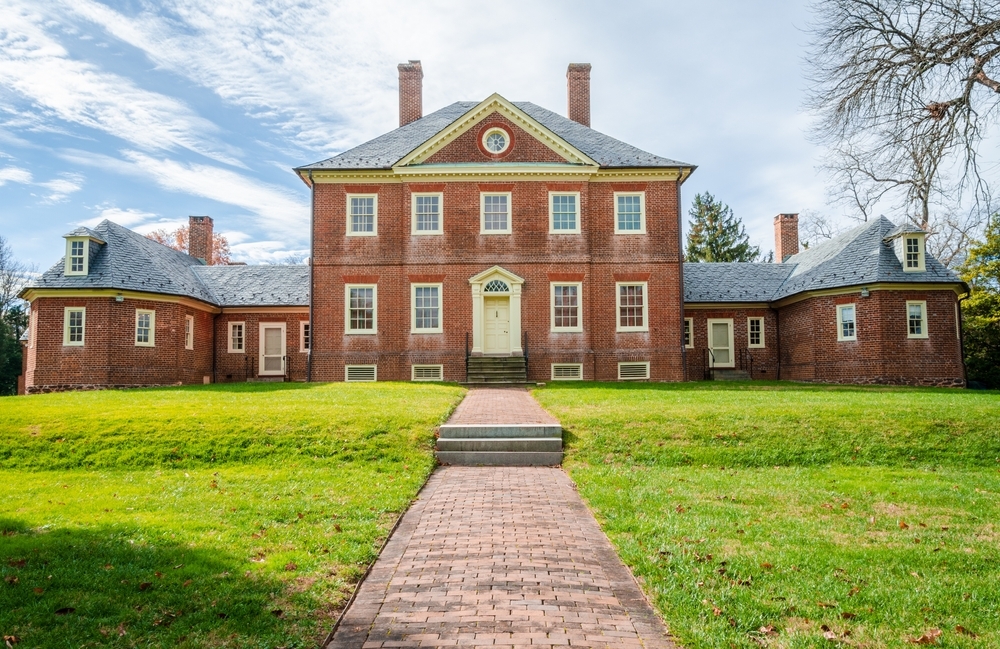
When national media outlets report that an alleged squatter returned to a multi-million-dollar Maryland mansion after release from jail, public reaction is immediate. Headlines circulate quickly. Social media commentary intensifies. Neighbors express concern. However, behind the cameras and commentary, a far more important process unfolds inside Maryland courtrooms.
That process centers on constitutional protections, property statutes, and the legal principle that every person is entitled to a defense grounded in law, not public opinion.
If you are facing allegations involving squatter rights or trespassing in Maryland, contact Maronick Law LLC at 443-551-2747 or through our online contact form to schedule a free and confidential case evaluation. Early legal guidance is critical in cases that can quickly escalate.
Maryland Squatter Rights Law: What The Public Often Misunderstands About Occupancy Claims
When people say squatter rights in Maryland, they usually mean one of two things, and mixing them up causes a lot of confusion. First, there is the criminal side, where someone faces charges like trespass or burglary if the State alleges unlawful entry or unlawful presence. Second, there is the civil side, where a person might argue they gained legal rights through adverse possession, which is a completely different legal concept with a very high bar.
In Maryland, adverse possession is not a quick shortcut to ownership. Instead, it is a long-term civil doctrine that generally requires 20 years of possession that meets specific legal standards. Courts describe the required possession as actual, open and notorious, exclusive, hostile, and continuous for the full prescriptive period.
That standard matters because it helps explain what squatter rights does and does not mean in real life. Most people who get labeled squatters do not come close to meeting the 20-year requirement. As a result, many of these cases center on immediate possession issues and criminal allegations, not a legitimate ownership claim.
To understand how Maryland evaluates an adverse possession claim, it helps to break the legal requirements into plain English:
- Actual possession: The person physically uses the property the way an owner would, not just visiting occasionally
- Open and notorious: The use is visible enough that an owner would have a fair chance to notice it
- Exclusive: The person controls the property as if it is theirs, rather than sharing control with the titled owner
- Hostile under claim of ownership: The person occupies without permission, acting in a way that conflicts with the owner’s rights
- Continuous for 20 years: The occupation remains uninterrupted for the full period required by Maryland law
One more point often surprises people. In Maryland, a person does not always need a bad motive to claim adverse possession. Courts focus on the nature of the possession and whether it meets the legal elements over time, not whether the person admits they knew they were occupying someone else’s property.
This is exactly why news coverage can feel confusing. The public may hear squatter rights and assume a person can just move in and gain legal protection. In reality, Maryland law draws a hard line between short-term occupancy and the kind of decades-long possession that might support a civil adverse possession claim.
Baltimore-Area Mansion Case: How Due Process Applies Even In High-Profile Situations
The mansion case that drew national attention involved a luxury property reportedly valued in the millions. News outlets focused on the property’s size, location, and value. However, legal disputes revolve around evidence and statutory interpretation.
High-profile cases can create pressure. Public reaction can be swift. Yet the justice system requires prosecutors to meet their burden of proof beyond a reasonable doubt. Defense counsel ensures that constitutional safeguards remain intact.
This commitment to due process is not controversial. It is foundational. Every defendant in Maryland has the right to:
• Presumption of innocence: Charges are allegations until proven in court
• Legal representation: Counsel to evaluate evidence and advocate effectively
• Fair procedures: Law enforcement must follow established constitutional standards
Adverse Possession In Maryland: Why Long-Term Legal Standards Matter
One of the most important clarifications in any discussion of squatter rights is the time requirement. Maryland generally requires decades of continuous possession before an adverse possession claim may even be considered.
This requirement protects property owners from sudden loss of title. At the same time, it provides a structured legal remedy in rare circumstances involving long-standing, undisputed use.
In the widely reported mansion case, the timeline became central to understanding the legal boundaries. Short-term occupancy does not automatically create ownership rights. Instead, courts examine whether criminal statutes apply and whether lawful defenses exist.
When high-profile cases spark public debate, they often create an opportunity to clarify how Maryland property law actually works in practice.
Criminal Trespass And Property Charges In Baltimore Maryland: What The Law Actually Requires
When someone occupies property without clear authorization, prosecutors may file charges such as trespass or burglary. However, filing charges does not equate to automatic guilt.
To secure a conviction, the State must establish specific elements. These may include:
• Unauthorized entry: Proof that entry occurred without consent
• Intent at the time of entry: Evidence of criminal purpose, if required by statute
• Knowledge of lack of permission: Demonstration that the defendant knew entry was unlawful
Defense counsel evaluates each of these elements carefully. In high-profile matters, that analysis becomes even more critical because public opinion can blur legal distinctions.
High-visibility cases do not alter the State’s burden of proof; each charge must still withstand careful legal scrutiny under established Maryland standards.
Title Issues And Vacant Properties: Why Squatter Cases in Bethesda Can Be Legally Complicated
Some properties involved in squatter disputes are bank-owned, vacant for extended periods, or subject to foreclosure proceedings. In those situations, title documentation and property records can raise complicated questions.
Property law is rarely simple. Deeds, liens, foreclosure records, and ownership transfers can create gray areas that require careful legal analysis.
High-Value Homes And Media Attention: Why Legal Strategy Must Remain Grounded
Luxury properties naturally attract attention. However, Maryland statutes apply equally regardless of a home’s market value.
Effective legal representation in these circumstances involves:
• Careful evidence review: Scrutinizing every report, witness statement, and document
• Procedural safeguards: Ensuring constitutional compliance by authorities
• Measured public communication: Protecting the client’s position without inflaming narratives
• Strategic courtroom advocacy: Presenting lawful defenses clearly and professionally
High-visibility cases require steady adherence to established legal standards rather than reaction to public narrative.
Maryland Squatter Rights And Property Disputes: Why Early Legal Guidance Matters
Whether someone faces allegations of unlawful occupancy or is attempting to assert a property claim, early legal involvement is critical. Property disputes can evolve rapidly from civil disagreements into criminal charges.
If you are involved in a Maryland squatter dispute, you should:
• Avoid making public statements that could affect your case
• Seek counsel before speaking with investigators
• Preserve documentation related to occupancy or title
Legal guidance provides clarity in situations that often feel chaotic.
Maronick Law LLC: Protecting Your Rights In A Maryland Squatter Case


The Baltimore-area mansion case has placed Maryland squatter rights in the public spotlight. Yet beyond the headlines, the legal system continues to operate methodically, guided by statutes and constitutional protections.
High-visibility property disputes do not change the legal standards that apply. Courts still require proof. Prosecutors still carry the burden. Defendants still retain constitutional rights.
If you are facing allegations involving squatter rights or trespassing in Maryland, contact Maronick Law LLC at 443-551-2747 or reach out through the online contact form to speak with an experienced criminal defense attorney about your situation. Early legal guidance can make a meaningful difference when your rights and reputation are at stake. Maronick Law LLC represents clients throughout Maryland, including Baltimore, Ocean City, Towson, and Bethesda.
Disclaimer: This blog is intended for informational purposes only and does not establish an attorney-client relationship. It should not be considered as legal advice. For personalized legal assistance, please consult our team directly.